Quick Answer
The impending shutdown of the Minimus registry introduces a critical deadline for DevOps engineers, platform architects, and development teams relying on its infrastructure. With the official cutoff scheduled for October 22, organizations currently pulling base images or managing dependencies through Minimus must transition their pipelines without delay. Delaying this architectural adjustment risks broken builds, unpatched vulnerabilities, and sudden deployment blockages. Fortunately, moving to Docker Hardened Images offers a robust, secure, and future-proof alternative that aligns with modern container security best practices.
Understanding the Minimus Shutdown and Docker Hardened Images
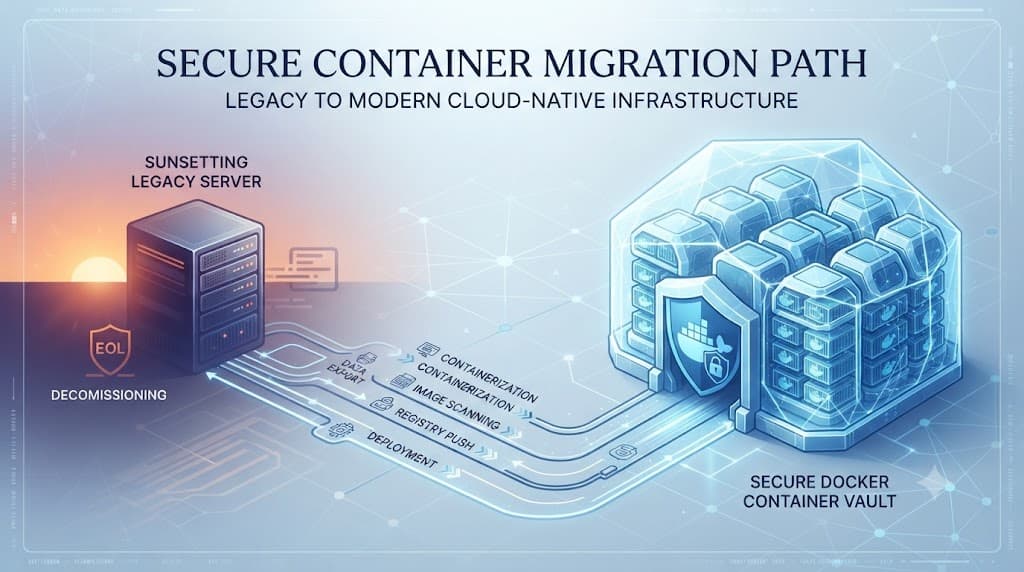
The closure of the Minimus registry marks the end of an era for teams that utilized its specialized repositories. When a registry sunsets, dependent container images can no longer be fetched, immediately halting automated continuous integration and continuous deployment pipelines the moment an uncached pull is triggered. To prevent operational disruption, platform teams need to audit their existing docker configurations, identify every dependency pointing to Minimus endpoints, and establish a secure routing strategy toward officially supported alternatives.
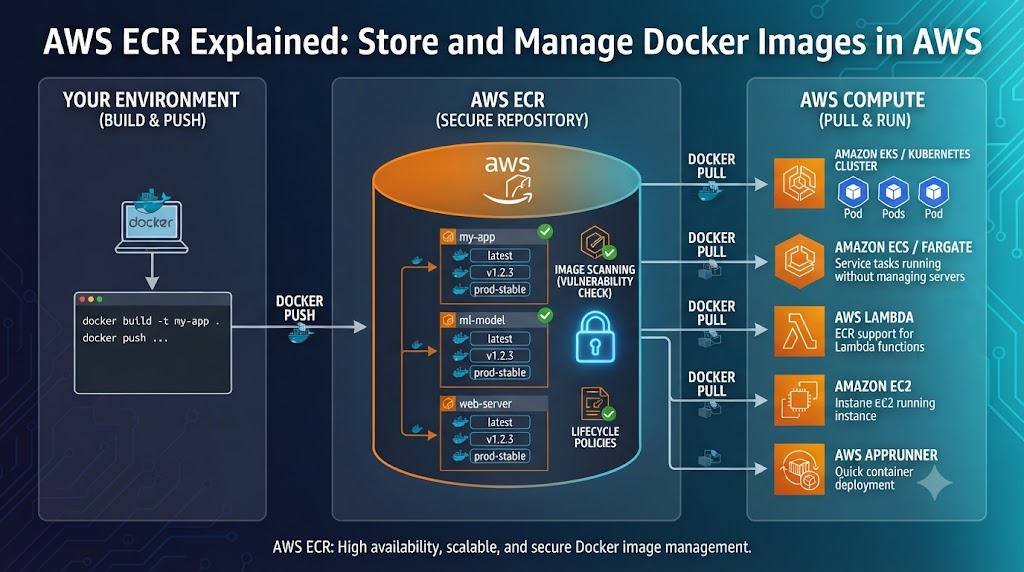
Docker Hardened Images provide a compelling replacement designed from the ground up to mitigate supply chain risks. These images undergo rigorous vulnerability scanning, minimal footprint reduction, and continuous compliance hardening, ensuring that production workloads run on trusted foundations. Shifting to these images is not merely an emergency workaround for a sunsetting service; it is a strategic upgrade that strengthens overall container security posture.
[!WARNING] Warning: Waiting until the October 22 deadline will cause unexpected build failures and deployment outages if your CI/CD runners attempt to pull from offline Minimus endpoints.
Step-by-Step Migration Path for Development Teams
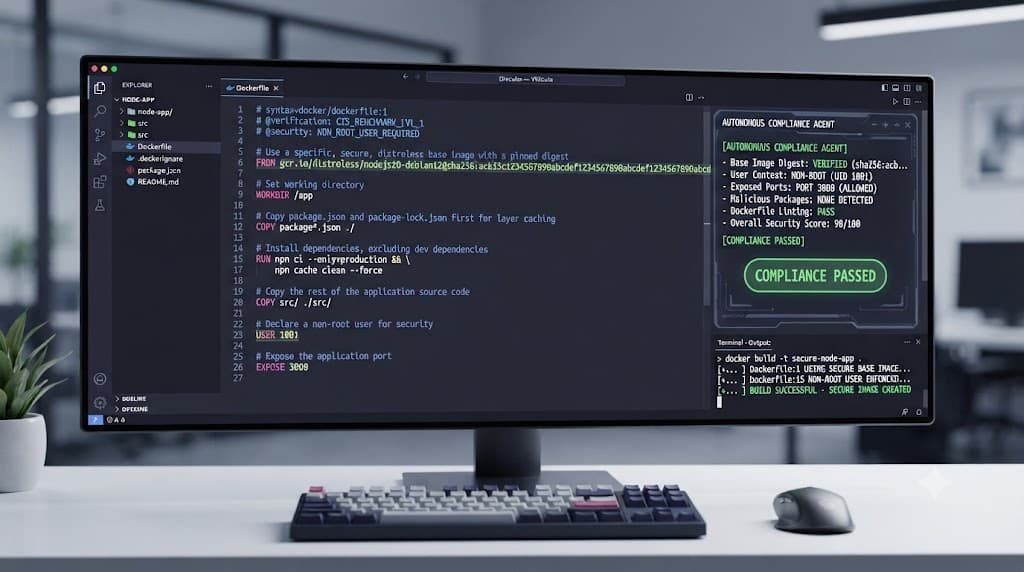
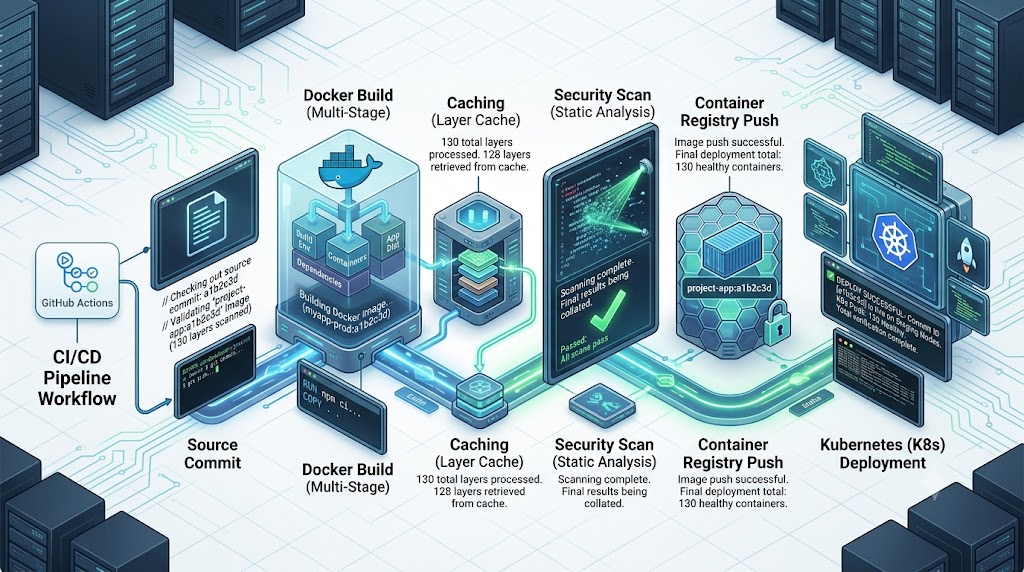
Transitioning container workflows requires a systematic approach to prevent breaking changes in production environments. The first phase involves a comprehensive codebase scan to locate all hardcoded references to Minimus registries within Dockerfiles, Kubernetes manifests, Helm charts, and docker-compose files.
Once every reference is cataloged, engineering teams must map each legacy Minimus image to its corresponding Docker Hardened Image equivalent. Because tag structures and naming conventions may differ, verifying compatibility beforehand is essential. After updating the base image references, developers should run isolated test builds in staging environments to catch potential runtime discrepancies, missing shared libraries, or altered default user permissions.
✓ Migration Advantages
- Enhanced vulnerability patching and compliance
- Direct integration with Docker security tooling
- Streamlined supply chain provenance tracking
✕ Legacy Risks
- Sudden build failures after October 22
- Unpatched vulnerabilities in unmaintained bases
- Lack of official support channels
[!TIP] Pro Tip: Use automated repository search scripts across your source control management systems to instantly find stray image tags pointing to obsolete domains.
Leveraging Free Help and Resources Offered by Docker
Recognizing the urgency and scale of this transition, Docker has introduced comprehensive support initiatives to guide organizations through the migration process. Engineering teams do not have to navigate this shift alone; dedicated migration documentation, automated mapping tools, and advisory resources are readily available to simplify the workflow.
Docker is providing free technical assistance and specialized tooling designed to evaluate existing image manifests and recommend precise hardening equivalents. Utilizing these structured resources significantly accelerates timelines, reduces manual review overhead, and ensures that platform engineers can complete the migration well in advance of the deadline without compromising development velocity.