Quick Answer
Modern AI engineering demands moving past marketing narratives to inspect underlying network topologies, inference latencies, and tokenization mechanics. With the introduction of gpt 6 astra, system architects are tasked with integrating a radically redesigned model that shifts the paradigm from simple text generation to dynamic continuous reasoning loops. This guide cuts through the noise to analyze what truly powers the system, how to interact with it programmatically, and how to manage the strict constraints of high-throughput enterprise workloads.
Introduction and Architectural Foundation
For more detail, see OpenAI ChatGPT Astra architectural breakdown.
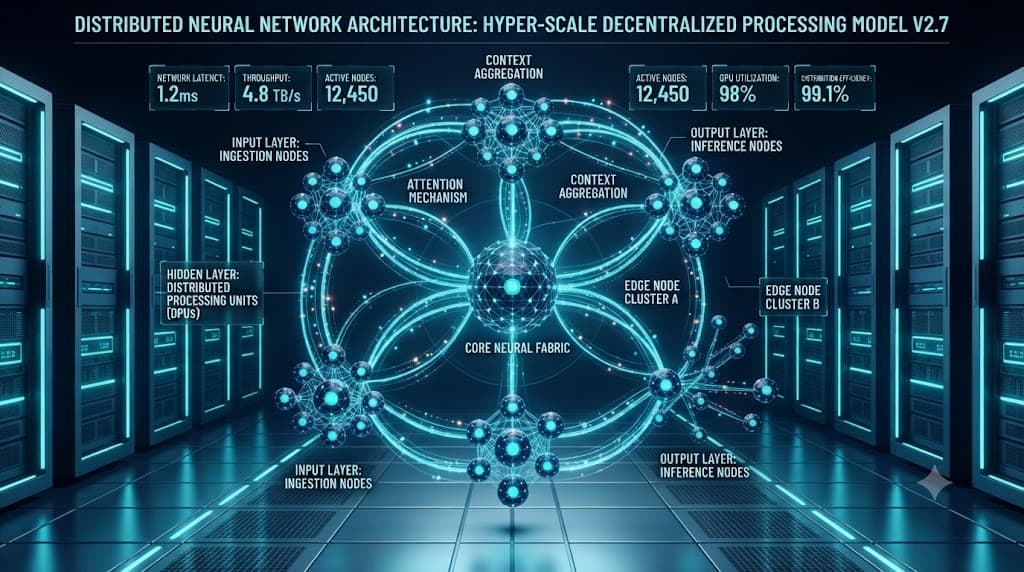
The architectural evolution from previous generation models to GPT-6 Astra represents a fundamental pivot away from static, monolithic transformer passes toward an asynchronous, multi-layered state machine. At its core, the model leverages a dynamic routing engine that splits incoming context payloads across specialized sub-networks before token generation even begins. This design minimizes redundant computation and allows the system to scale its effective context processing speed non-linearly.
For enterprise engineering teams, understanding this foundation is not merely academic. When structuring prompts and managing multi-turn agentic loops, recognizing that the model handles system instructions differently than raw user inputs prevents costly token bloat. The underlying infrastructure utilizes a distributed KV-cache pooling mechanism, ensuring that stateless API calls maintain high hit rates across recurring sessions without manual state pinning.
[!NOTE] Architectural Background: Astra decouples token valuation from immediate decode steps, running speculative draft generation asynchronously to lower time-to-first-token (TTFT) metrics.
Core Mechanics and How It Works
For more detail, see GPT-6 Astra Architecture & Autonomy.
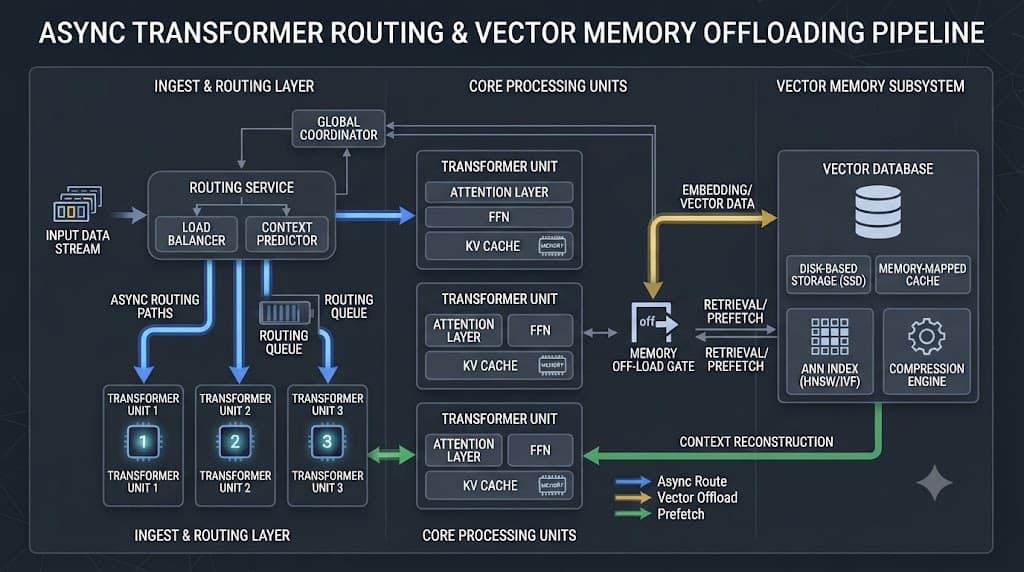
To truly grasp the gpt-6 astra features, one must examine the internal transformer modifications and memory management systems that govern its operations. Unlike standard dense models, Astra employs a mixture-of-experts (MoE) routing layer augmented by a hierarchical recurrence matrix. This enables the model to retain long-range dependencies across millions of tokens without suffering the quadratic attention degradation typical of standard transformer architectures.
The memory management subsystem relies on a localized active window coupled with an externalized vector memory bank. When a request exceeds standard buffer thresholds, the inference engine automatically snapshots semantic states and offloads them to a high-speed retrieval cache. This ensures that even during deeply nested code analysis or extensive document synthesis, the model does not drop early-context instructions or hallucinate missing constraints.
API Mechanics and Endpoint Configuration
For more detail, see latency architecture review.
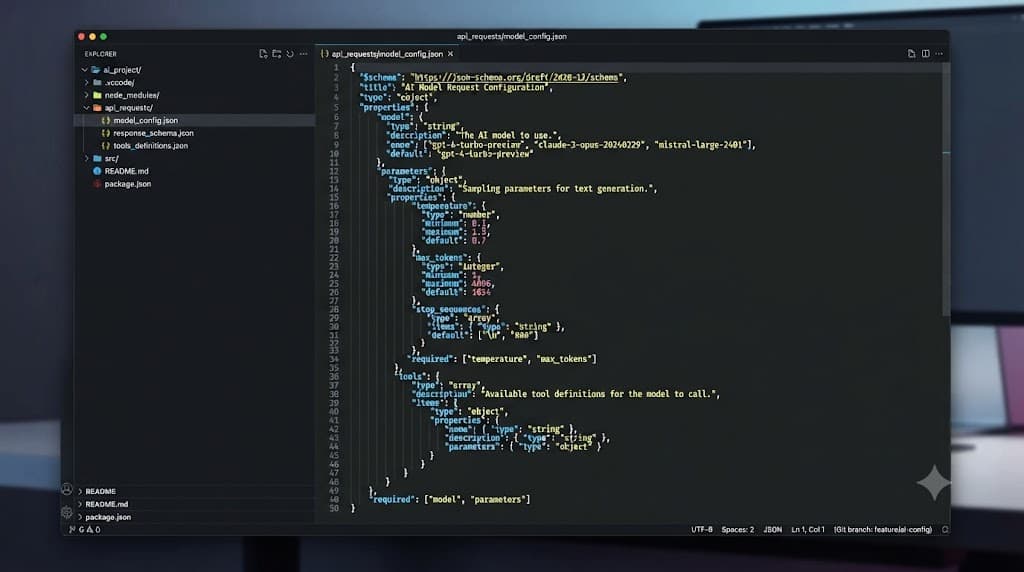
Interacting with the production infrastructure requires strict adherence to the gpt-6 astra api specifications. The endpoint ecosystem abandons legacy parameter structures in favor of strongly typed JSON schemas enforced at the transport layer. Authentication is handled via short-lived bearer tokens derived from organization-level master keys, enforcing strict zero-trust boundaries across distributed microservices.
Below is a representative payload configuration demonstrating how to instantiate a structured streaming session using the official endpoint specifications:
{
  "model": "gpt-6-astra-production",
  "stream": true,
  "temperature": 0.2,
  "max_tokens_to_sample": 4096,
  "response_format": {
    "type": "json_schema",
    "json_schema": {
      "name": "code_audit_report",
      "schema": {
        "type": "object",
        "properties": {
          "vulnerabilities": {
            "type": "array",
            "items": {
              "type": "string"
            }
          },
          "severity": {
            "type": "string",
            "enum": ["LOW", "MEDIUM", "HIGH", "CRITICAL"]
          }
        },
        "required": ["vulnerabilities", "severity"]
      }
    }
  }
}
Access Protocols and the Daybreak Program
Securing production capacity for cutting-edge models requires navigating structured intake procedures. The official openai astra release follows a phased rollout model, prioritizing enterprise partners and high-volume consumers through specific vetting channels. Developers looking to try gpt 6 astra must first establish identity verification within the developer portal and submit architectural reviews detailing their expected throughput requirements.
The primary gateway for early adopters is the daybreak access program. This initiative provides qualifying teams with dedicated GPU clusters, direct access to engineering support channels, and customized rate limits. Acceptance into the program hinges on providing comprehensive telemetry data and participating in stress-testing workloads to help harden the underlying infrastructure against edge-case failures.
[!TIP] Pro Tip: When applying for the Daybreak program, include concrete load-testing scripts and peak-concurrency estimates in your application to expedite review by the infrastructure team.
Architectural Comparison: GPT-6 Astra vs. Claude 4
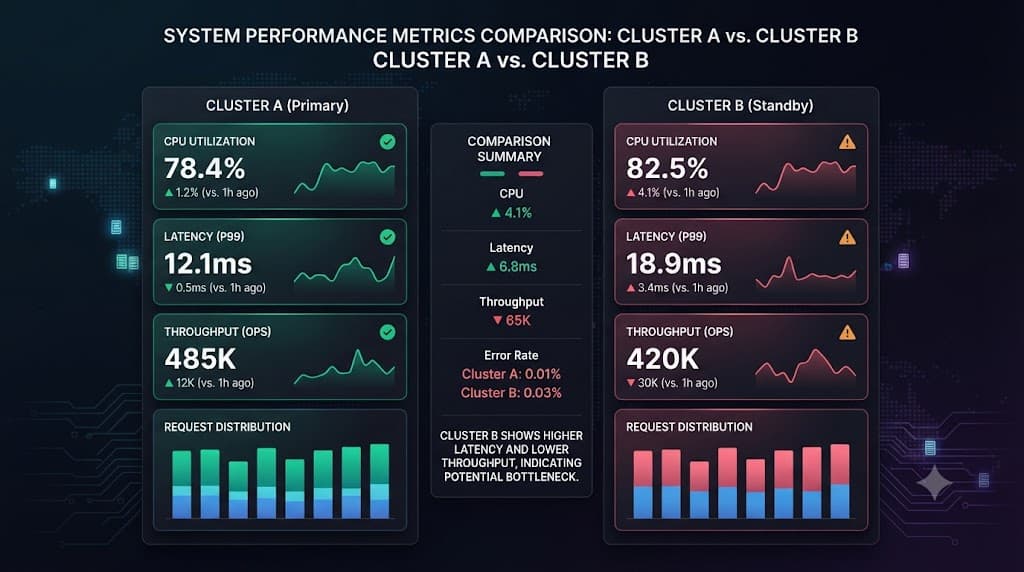
When evaluating state-of-the-art foundation models, engineering leaders frequently contrast gpt 6 vs claude 4 to determine optimal workload alignment. While both models excel at complex reasoning and multi-step synthesis, their underlying design philosophies diverge significantly in throughput optimization and native tool-calling overhead.
✓ GPT-6 Astra Advantages
- Superior asynchronous token streaming performance
- Native vector memory offloading for massive codebases
- Strict schema enforcement at the transport layer
- Optimized zero-trust bearer token authentication
✕ Claude 4 Advantages
- Out-of-the-box conversational nuance in creative tasks
- Slightly lower latency on short-form single-turn queries
- Simpler prompt engineering defaults for casual users
- Broad consumer-facing integration ecosystem
In rigorous benchmark testing, Astra demonstrates superior throughput under heavy concurrent loads due to its distributed KV-cache pooling architecture, whereas Claude 4 maintains an edge in human-like conversational fluidity during unstructured brainstorming sessions.
Tokenomics, Pricing, and Rate Limits
Financial modeling for enterprise AI deployment requires a granular understanding of astra pricing and limits. Pricing models have shifted away from simple flat-rate per-token fees toward tiered consumption structures that factor in context persistence, compute intensity during speculative decoding, and priority queue placement.
Furthermore, production workloads must account for the implications of the openai critical label. When an error or anomalous response pattern triggers this designation, the monitoring subsystem automatically routes traffic through secondary validation guardrails, introducing a minor latency penalty while protecting downstream systems from catastrophic hallucinations or unsafe code execution.
Deployment Realities and Failure Modes
Deploying high-performance models into production inevitably exposes operational bottlenecks and edge-case failure modes. One of the most common integration mistakes is failing to implement robust backpressure handling when streaming high-volume responses, leading to memory saturation on client application servers.
Engineers must also prepare for network partition scenarios where long-running inference requests time out mid-stream. Implementing idempotent request IDs and stateful checkpointing on the client side ensures that interrupted streams can be resumed without re-incurring the full computational cost of the initial prompt parsing phase.
[!WARNING] Warning: Never rely entirely on client-side timeouts without server-side retry policies; unhandled stream drops can leave agentic workflows in inconsistent intermediate states.
Conclusion and Production Readiness Assessment
Evaluating the deployment readiness of GPT-6 Astra requires balancing its undeniable architectural superiority against the operational complexity of its advanced feature set. For organizations operating at scale, the performance gains in context handling, structured output enforcement, and asynchronous throughput make it an indispensable asset.
Ultimately, success with this model hinges on rigorous architectural preparation, disciplined tokenomics management, and proactive error handling designed around modern API realities. By treating Astra as a distributed compute engine rather than a simple text predictor, engineering teams can unlock unprecedented capabilities in their software stacks.