Quick Answer
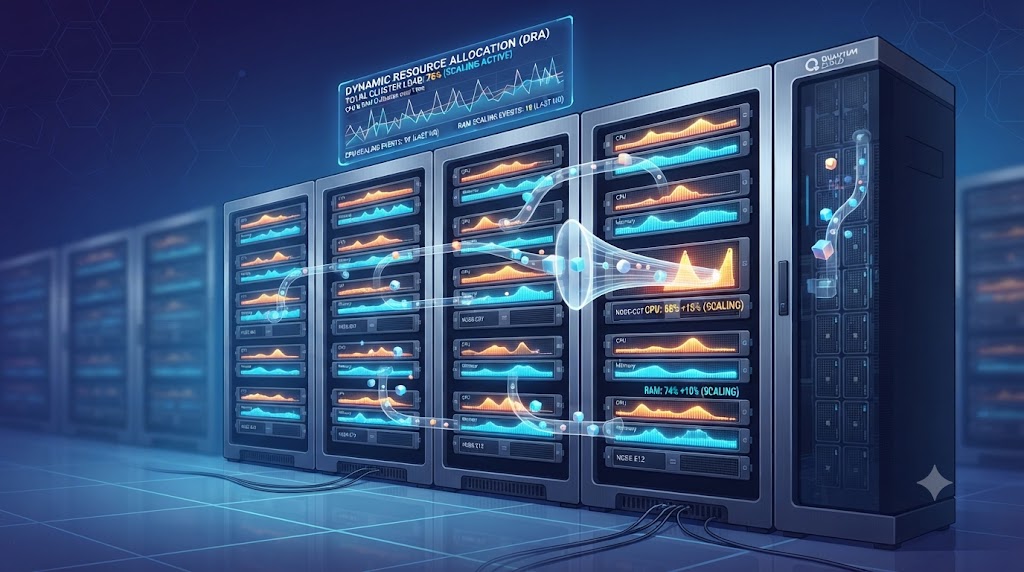
Kubernetes v1.37 marks a major turning point for cloud-native infrastructure, particularly in how clusters handle specialized hardware and custom devices. As workloads become increasingly resource-intensive—driven by artificial intelligence, machine learning, high-performance computing, and specialized accelerators—traditional static resource models often fall short. Dynamic Resource Allocation (DRA) was introduced to solve these limitations by modernizing how third-party vendors and cluster administrators define, request, and manage cluster resources beyond standard CPU and memory.
Building upon the foundations laid in earlier releases, Kubernetes 1.37 continues to mature the DRA architecture. The platform engineering community has eagerly anticipated these updates, which bridge the gap between abstract resource requests and concrete hardware provisioning. By moving critical components toward stabilization and General Availability, this release provides the robust framework necessary for enterprise-grade production environments.
Introduction to Kubernetes v1.37 DRA Evolution
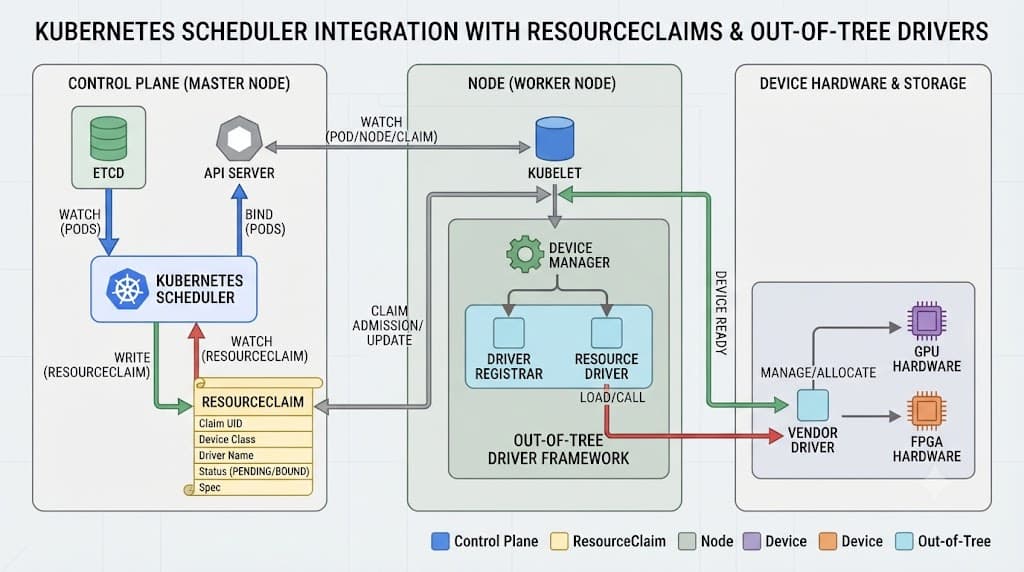
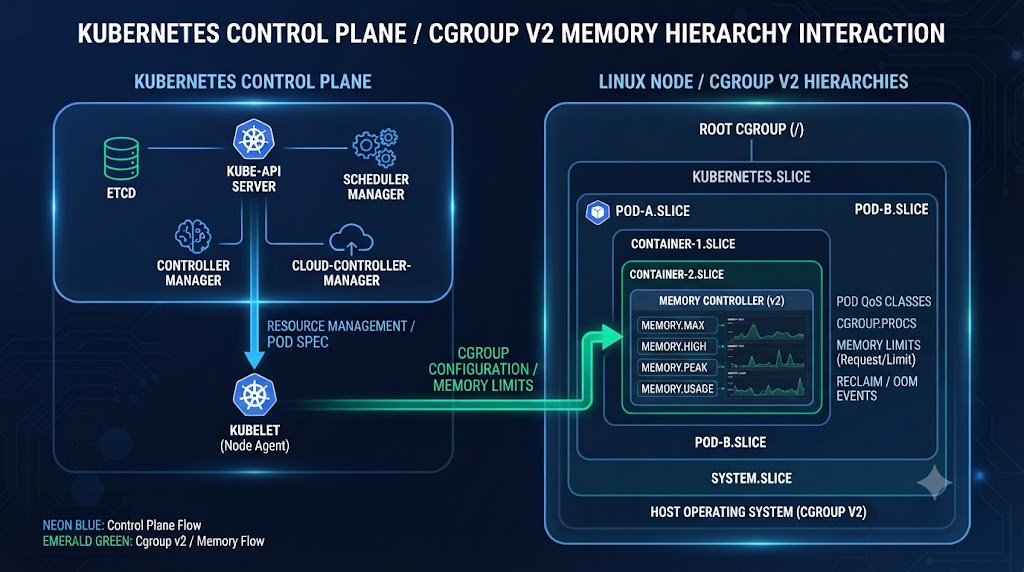
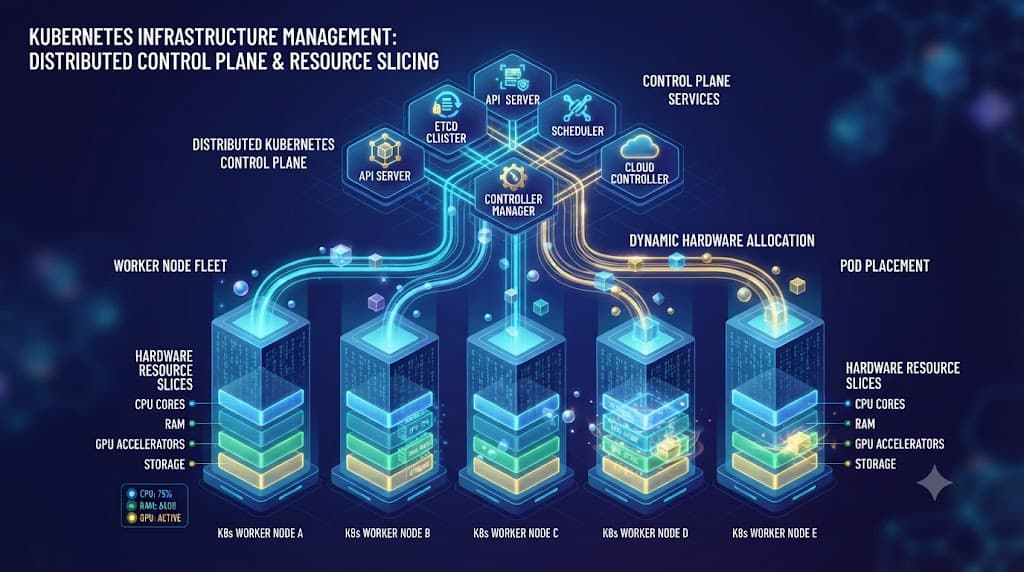
The evolution of Dynamic Resource Allocation in Kubernetes reflects a broader shift toward extensible, out-of-tree hardware management. Historically, managing specialized hardware relied heavily on device plugins and extended resources, which lacked the fine-grained control, parameterization, and lifecycle binding required by modern multi-tenant clusters. DRA decouples resource management from core Kubernetes scheduling primitives, empowering device vendors to write custom controllers that manage resource slices dynamically.
In Kubernetes 1.37, this architectural shift solidifies further. The core control plane components interact seamlessly with structured parameters stored in custom resource definitions, allowing workloads to request specialized capabilities with unprecedented precision. Whether dealing with GPUs, FPGAs, or ultra-fast storage fabrics, cluster administrators benefit from unified semantics that replace fragmented, vendor-specific device plugins.
[!NOTE]
Architecture Background: DRA utilizes ResourceClaim and ResourceClass objects to abstract hardware allocation, allowing the scheduler to evaluate resource availability before binding pods to nodes.
DRA Extended Resource Support Reaches GA
After three iterative releases of rigorous testing, community feedback, and edge-case hardening, DRA Extended Resource support has officially reached General Availability (GA) in Kubernetes 1.37. This milestone represents a foundational shift for production clusters running mixed workloads that rely on customized device limits and quotas.
Previously, teams adopting dynamic allocation faced friction when bridging legacy extended resource workflows with modern claim-based models. With the GA stabilization of extended resource support within DRA, administrators can map traditional resource naming conventions directly to dynamic resource drivers without sacrificing flexibility. This ensures backward compatibility while unlocking advanced features such as structured parameter validation and dynamic claim resizing.
✓ GA Benefits
- Production-ready stability for custom resource types
- Seamless integration with existing monitoring pipelines
- Reduced configuration overhead across multi-tenant clusters
✕ Legacy Drawdowns
- Static device plugin limitations
- Lack of granular parameter filtering
- Complex troubleshooting for multi-device bindings
Production workloads benefit significantly from this stabilization. Clusters can now enforce strict access controls and quotas on specialized devices using standard Kubernetes RBAC and admission controllers. Platform teams no longer need to maintain custom reconciliation loops or patched device plugins to handle edge cases in hardware provisioning.
Practical Implications and Next Steps for Platform Engineers
Adopting the latest DRA capabilities in Kubernetes 1.37 requires a deliberate approach to cluster upgrades and driver compatibility checks. Platform engineers must ensure that third-party device drivers installed in their clusters are updated to support the stable v1 DRA APIs. Failing to update drivers prior to upgrading the control plane can result in stalled scheduling pipelines for resource-dependent workloads.
[!WARNING] Warning: Always test your device drivers in a staging cluster before performing a production control plane upgrade to Kubernetes 1.37, as breaking changes in underlying driver APIs may prevent pods from mounting specialized hardware.
To begin leveraging these updates, platform teams should audit existing custom resource definitions, identify legacy device plugin dependencies, and plan a migration path toward declarative ResourceClaim templates. By embracing these native constructs, organizations position their infrastructure to adopt upcoming hardware innovations effortlessly, maintaining high availability and optimal resource utilization across all cluster nodes.